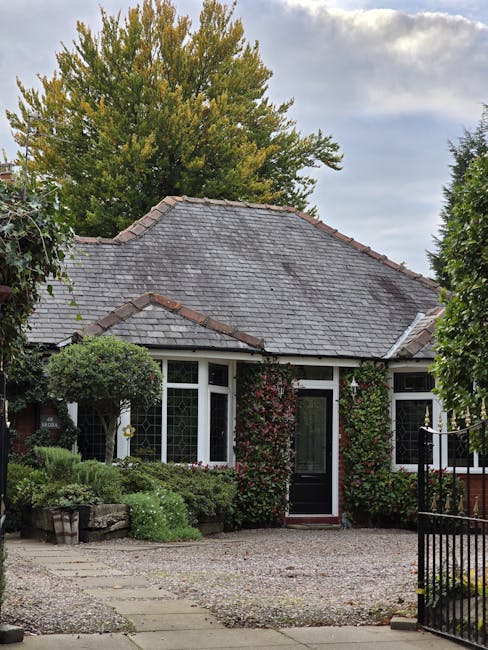
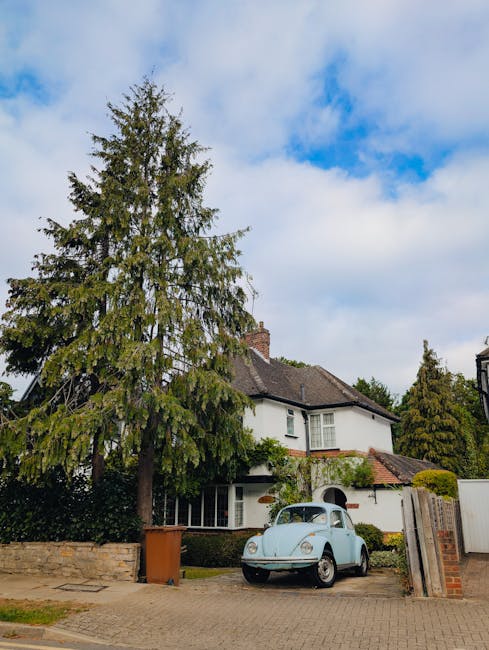
Grahame Park gardeners guide for small front gardens Colindale
If you are working with a compact front garden in Grahame Park, Colindale, you already know the challenge: the space is small, the view is public, and every detail is on show. That can feel limiting at first, but honestly, a tiny frontage can become one of the neatest, most welcoming parts of a home when it is planned properly. This Grahame Park gardeners guide for small front gardens Colindale is built to help you make practical decisions, avoid expensive mistakes, and turn a modest patch of ground into something tidy, resilient, and genuinely attractive.
Small front gardens do a lot of heavy lifting. They shape the first impression of your home, affect how much natural light reaches the doorway, and decide how easy it is to keep everything looking cared for. In a busy London setting, where pavement space, foot traffic, parked cars, and day-to-day weather all play a part, the right planting and layout make life easier. A good plan saves time. It also saves you from that familiar spring panic of thinking, "Where did all these weeds come from?"
This article walks through the why, the how, and the practical details of front garden gardening in a local Colindale context. You will find design ideas, maintenance advice, comparison points, a useful checklist, and a real-world example you can relate to. If you are deciding whether to improve your front garden yourself or bring in help, you will come away with a much clearer sense of what makes sense for your space.
Table of Contents
- Why Grahame Park gardeners guide for small front gardens Colindale Matters
- How Grahame Park gardeners guide for small front gardens Colindale Works
- Key Benefits and Practical Advantages
- Who This Is For and When It Makes Sense
- Step-by-Step Guidance
- Expert Tips for Better Results
- Common Mistakes to Avoid
- Tools, Resources and Recommendations
- Law, Compliance, Standards, or Best Practice
- Options, Methods, or Comparison Table
- Case Study or Real-World Example
- Practical Checklist
- Conclusion
- Frequently Asked Questions
Why Grahame Park gardeners guide for small front gardens Colindale Matters
Small front gardens are easy to underestimate. They may not need the same level of planting density or hard landscaping as a large back garden, but they often need more precision. A front garden has to cope with traffic, visibility, weather exposure, and the fact that it should still look decent on a Tuesday morning when you have not had time to fuss over it. That is exactly why a local, practical guide matters.
Grahame Park and the wider Colindale area bring a few everyday realities into the mix. Many homes sit close to streets and footpaths, so boundary lines matter. Some front gardens are shallow or narrow, which means the wrong shrub can overwhelm the space very quickly. And because the front of the home is the bit everyone sees first, maintenance standards are higher than people expect. To be fair, that can be a good thing. A small amount of well-chosen planting gives you more impact than a cluttered space ever will.
There is also a strong value angle. A tidy front garden can make a property feel cared for, which is especially important if you are thinking about a sale, a rental refresh, or simply wanting the place to feel more settled. You do not need a grand layout. You need clarity, proportion, and planting that suits the site rather than fighting it.
If you are already looking at wider garden improvement services, it helps to understand how front-garden work fits into a broader plan. Pages such as garden design services and our landscaping services can be useful next steps if your small frontage needs more than routine upkeep. For many homes, a light redesign is enough. For others, a complete refresh is the smarter move.
How Grahame Park gardeners guide for small front gardens Colindale Works
The basic principle is simple: small front gardens work best when every element earns its place. That means your planting, edging, surface materials, and access routes should all have a job to do. A good gardener starts by reading the space, not by forcing a style onto it.
In practice, this usually means looking at four things first:
- Light - is the garden sunny, shaded, or mixed through the day?
- Soil condition - does it drain freely or stay wet after rain?
- Space and circulation - where do people walk, stand, open gates, or wheel bins?
- Visibility - what can be seen from the street, and what should stay low?
Once those basics are clear, the work becomes much easier. A compact front garden in Colindale usually benefits from a restrained plant palette, simple structure, and surfaces that are easy to keep clean. That does not mean boring. It means intentional.
A small frontage often needs a mix of evergreen structure and seasonal interest. Evergreen plants keep things looking "finished" through winter, while perennials and bulbs add movement, colour, and that little lift you notice on a damp March afternoon. If you only plant for one season, the garden can feel bare the rest of the year. If you only use evergreens, it can feel stiff. The sweet spot is somewhere in between.
Good garden maintenance also matters because small spaces show neglect quickly. Weeds, dead leaves, overgrown shrubs, and tired mulch are more noticeable in a small front garden than in a larger plot. For ongoing care, many local homeowners pair design improvements with regular visits through garden maintenance or a seasonal tidy-up from spring garden clearance support when the space needs a reset.
Key Benefits and Practical Advantages
There are some very real benefits to planning a front garden properly rather than treating it as an afterthought. The biggest one is everyday ease. A well-designed small front garden does not ask for constant effort. It quietly stays presentable, which is exactly what most people want.
Here are the main advantages:
- Better kerb appeal - the entrance feels neat, welcoming, and cared for.
- Less maintenance - the right plants reduce pruning, watering, and replanting.
- Stronger structure - simple lines make the space feel bigger and calmer.
- Improved drainage and cleanliness - thoughtful surfaces can reduce muddy patches and mess.
- More privacy where needed - low screening can soften views without blocking light.
- Better seasonal interest - small spaces can still look good all year round.
There is a subtle psychological benefit too. When the front of the house looks ordered, the whole property tends to feel more settled. It is a small thing, but it affects how you arrive home, how visitors feel stepping up to the door, and how much you enjoy the place day to day. Not flashy. Just quietly satisfying.
If you are weighing up whether to invest in the garden now or later, ask yourself one simple question: will this space be easier to live with after the work is done? If the answer is yes, you are probably on the right track.
Who This Is For and When It Makes Sense
This kind of guidance is useful for a few different people, and the needs are not always the same. Some homeowners want a low-maintenance front garden because they are short on time. Others want a better first impression before selling. Some simply want the place to stop looking tired.
You will likely benefit from a focused front-garden plan if you are:
- in a terraced, semi-detached, or compact home with a shallow frontage
- wanting a front garden that looks good without weekly intervention
- dealing with patchy lawn, poor drainage, or persistent weeds
- trying to balance kerb appeal with privacy and practicality
- considering a front-garden refresh rather than a full rear-garden overhaul
- preparing a property for sale or letting
There is also a timing question. A front garden project makes sense when the structure is tired, the planting no longer suits the scale of the space, or maintenance has become irritatingly difficult. If you are constantly trimming shrubs just to keep the path clear, the design is probably working against you.
Sometimes the job is tiny: new edging, a couple of well-placed shrubs, fresh mulch, and a proper weed clear. Other times it is more involved, especially if hard surfaces, drainage, or access need attention. If paving or structural changes are being considered, it is worth looking at related support such as patio installation or fencing services to see how the rest of the frontage might be improved in one coherent plan.
Step-by-Step Guidance
Here is a practical way to approach a small front garden in Grahame Park or anywhere similar in Colindale. You do not need to do everything at once. In fact, smaller steps often produce a cleaner result.
1. Start with a clear view of the space
Stand at the gate, the pavement, and the front door. Look at the garden from each angle. What feels cluttered? What looks bare? What blocks movement? It sounds obvious, but people often design a front garden from only one viewpoint and miss the awkward bits.
2. Decide what the garden must do
Does it need to look neat year-round? Provide a little privacy? Hold a bin area? Soften a brick frontage? A small garden cannot do everything, so the priorities need to be honest. If you try to make it both highly decorative and highly functional without enough space, one of those goals will suffer.
3. Remove what does not earn its place
Old, tired shrubs and broken edging can make a compact garden feel smaller than it is. Clearing out overgrowth opens up the whole frontage. In some cases, a hard reset is the best route. A seasonal clearance can be the difference between "a bit rough" and "actually good shape again."
4. Keep the layout simple
Use clean lines. A small front garden usually looks best with one dominant path, one or two planting beds, and a repeating plant rhythm. Repetition is your friend here. It creates calm. Too many plant varieties can make a tiny space feel fussy, and nobody needs that near the front door.
5. Choose plants that fit the site
Pick plants for their mature size, not the size they look like in the pot. That is where a lot of people slip up. A shrub that seems "nice and compact" at the garden centre can turn into a bulky beast six months later. Go for plants that behave themselves. Evergreen structure, low-growing perennials, and a few seasonal highlights often work best in small front gardens.
6. Think about maintenance before planting
Ask a simple question: how much pruning, watering, and sweeping are you willing to do? If the answer is "not much," choose slower-growing, low-fuss planting. If the answer is "I do not mind a bit of seasonal gardening," you have more freedom. But still keep the plan realistic. A beautiful garden that you hate maintaining is not a win.
7. Finish with edging and mulch
Proper edging gives the garden a clean finish, while mulch helps suppress weeds and keep moisture in the soil. In a front garden, this matters more than most people realise. A tidy edge can make a modest planting scheme look professionally done. It is one of those small details that quietly lifts everything.
8. Set a maintenance rhythm
Once the work is done, keep it alive with a simple routine. Light weeding, an occasional trim, checking drainage after heavy rain, and seasonal deadheading are usually enough. The trick is consistency rather than intensity.
And yes, sometimes it is just ten minutes with a fork, a pair of secateurs, and a mug of tea after lunch. That still counts.
Expert Tips for Better Results
Good front gardens are often more about restraint than ambition. That sounds a bit unexciting, but it is true. The best small gardens often feel easy because someone made a series of smart decisions early on.
Here are a few practical tips that consistently help:
- Repeat a limited colour palette so the space feels coherent.
- Use evergreen anchors to avoid a bare winter look.
- Keep planting low near windows and doors so the house still feels open.
- Leave enough space for access so the front gate and path stay practical.
- Choose plants with a predictable habit instead of novelty varieties that may need more coddling.
- Work with the frontage, not against it - if the house is narrow, a symmetrical layout often helps.
One often-missed detail is seasonality. In a small front garden, winter matters a great deal because there is less visual material overall. That is why structure is so important. A simple combination of evergreen shrubs, tidy soil, and a few spring bulbs can keep things looking alive without creating clutter.
Another useful habit is to step back after every change. Gardeners do this all the time. Plant a shrub, step back. Add edging, step back. It feels slow, but it avoids the "that looked better in my head" problem. We have all been there.
Common Mistakes to Avoid
Small front gardens can go wrong in predictable ways, and once they do, the fix is usually more effort than the original plan would have been. The good news? Most mistakes are easy to avoid if you know what to look for.
- Overplanting - too many plants make a tiny space feel crowded.
- Choosing large shrubs that outgrow the garden quickly.
- Ignoring drainage - soggy beds lead to weak plants and messy paths.
- Using too many materials - brick, gravel, sleepers, and decorative features can compete with each other.
- Forgetting access - a front garden still has to work for everyday life.
- Skipping maintenance planning - a design that looks good for three weeks is not a good design.
One of the most common issues in small London front gardens is the temptation to fill every empty patch. Resist that. Empty space can be useful. It lets the eye rest, keeps maintenance manageable, and makes the planting look more deliberate. A bit of breathing room goes a long way.
Another mistake is copying a large-garden idea into a small frontage without adaptation. What looks balanced in a roomy suburban setting may feel too heavy on a compact Colindale plot. Scale matters. Always.
Tools, Resources and Recommendations
You do not need an enormous toolkit to keep a small front garden under control, but a few reliable tools make a huge difference. In a compact space, precision beats brute force.
| Tool or Resource | Why it helps | Best use in a small front garden |
|---|---|---|
| Hand trowel | Good for precise planting and edging | Small beds, bulbs, and touch-up work |
| Bypass secateurs | Clean cuts with less plant damage | Pruning shrubs and deadheading |
| Garden fork | Helps break up compacted soil | Refreshing beds and improving drainage |
| Weed control fabric or mulch | Reduces weed growth and keeps beds tidy | Low-maintenance planting areas |
| Watering can or hose with care | Supports young plants and dry spells | Establishment period and summer maintenance |
For more substantial projects, the most useful "resource" may be a professional site assessment. That is especially true if you are deciding between planting, hard landscaping, or a mix of both. In many cases, a quick site visit clarifies the whole plan. If you are looking at a broader garden project, pages like driveway installation and brickwork and edging can help you think through the frontage as a complete space rather than a single bed at the edge of the lawn.
As for products, choose what matches your garden rather than what looks dramatic in a catalogue. Strong design in a small space usually comes from the basics done well. Nothing glamorous about it, but it works.
Law, Compliance, Standards, or Best Practice
For most small front garden work, the main concern is not heavy regulation; it is sensible best practice. That said, there are a few practical points worth keeping in mind in the UK, especially in built-up London streets.
First, if you are changing access points, boundaries, walls, or drive areas, it is sensible to check whether any permissions or planning considerations apply before work starts. Front gardens can also be affected by visibility, drainage, and highway-related issues, especially where the pavement or road edge is involved. If in doubt, take advice before altering anything structural.
Second, make sure planting and layout do not create a hazard. Overhanging branches, slippery surfaces, or blocked sightlines can cause problems for pedestrians, visitors, and neighbours. That sounds obvious, but small spaces can get awkward very quickly if a shrub grows across a path.
Third, if you are hiring garden contractors, good practice matters: clear written scope, tidy disposal of waste, careful handling of materials, and sensible protection of nearby surfaces. A trustworthy gardener should be able to explain what will be done, how long it should take, and what aftercare the garden will need. No drama. Just clear communication.
For homeowners who want broader support, it is worth looking at related service information such as garden clearance and turfing services if you are considering a full reset. The right approach depends on the condition of the garden and how much upkeep you want long term.
Options, Methods, or Comparison Table
If you are deciding how to improve a small front garden, it helps to compare the main approaches side by side. The best choice often depends on budget, maintenance tolerance, and how quickly you want results.
| Approach | Best for | Pros | Trade-offs |
|---|---|---|---|
| Light tidy-up and planting refresh | Gardens in decent shape that just look tired | Quick improvement, lower cost, less disruption | May not solve drainage or layout problems |
| Partial redesign | Small spaces needing better structure | Balances looks and function, good long-term value | Needs more planning and coordination |
| Full front-garden overhaul | Severe neglect, poor layout, or major access issues | Transforms the space and resets maintenance | More cost, more work, and more decisions |
In many Colindale homes, a partial redesign is the sweet spot. It gives you a noticeably better result without turning the whole frontage into a building site for weeks on end. If the structure is already good, small improvements can go a surprisingly long way. A new planting scheme, smarter edging, and better maintenance can change the feel of the place almost immediately.
Case Study or Real-World Example
Imagine a typical small front garden in Grahame Park: a narrow bed near the path, a patchy surface, one oversized shrub pressing against the window, and a couple of weeds that keep reappearing no matter how often they are pulled. Nothing dramatic. Just a bit scruffy, and increasingly annoying.
A sensible improvement plan might look like this:
- Remove the overgrown shrub and clear all dead material.
- Improve the soil with fresh compost where the bed is tired.
- Keep one compact evergreen feature near the entrance for year-round structure.
- Add low-growing seasonal plants around it for movement and colour.
- Install neat edging to define the bed and protect the path.
- Finish with mulch to keep weeds down and moisture in.
It is not flashy. But the result is usually calmer, brighter, and easier to maintain. The house looks more cared for from the pavement, and you do not have to fight the garden every time you leave the house. That alone is worth a lot.
We have seen plenty of small gardens where the biggest improvement came from subtraction rather than addition. Less bulk, fewer species, better proportions. Simple really, though not always easy to do when you are standing there with three plant trays and a hopeful expression.
Practical Checklist
Use this checklist before you start or when reviewing an existing front garden plan.
- Have I measured the available space properly?
- Do I know how much sun and shade the garden gets?
- Is the soil free-draining enough for the plants I want?
- Have I kept enough room for access, bins, and gates?
- Are the plants the right mature size for a small frontage?
- Will the garden still look good in winter?
- Have I planned for weed control and ongoing maintenance?
- Do the materials and colours work together simply?
- Have I checked whether any structural changes need advice first?
- Is the plan realistic for the time and budget I actually have?
Expert summary: the best small front gardens in Colindale are usually the ones that look almost effortless, but that effortless look comes from clear structure, restrained planting, and a maintenance plan that fits real life. That is the whole game, more or less.
Conclusion
A well-planned small front garden can do far more than people expect. It can improve the look of the house, make day-to-day upkeep simpler, and create a more welcoming feel every time you arrive home. In a place like Grahame Park, where many front gardens are compact and visible from the street, smart choices matter even more.
The key is not to cram in as much as possible. It is to choose plants, materials, and layouts that suit the scale of the space and the way you actually live. Keep the design clean. Keep the maintenance realistic. And do not be afraid to start with a small improvement rather than trying to do everything at once.
If you are ready to improve a tired frontage, get practical advice, compare options, and take the next step with confidence. A good front garden does not have to be grand. It just has to work well and feel cared for, day after day.
Get a free quote today and see how much you can save.
Sometimes the smallest patch of garden ends up giving the biggest lift. Funny how that works, really.
Frequently Asked Questions
What is the best approach for a very small front garden in Colindale?
The best approach is usually a simple one: clear structure, a limited plant palette, and low-maintenance materials. Small front gardens tend to look best when they are not overloaded. Choose a few reliable plants, define the edges properly, and leave enough open space for access and breathing room.
How do I make a narrow front garden look bigger?
Use repeated planting, tidy lines, and a restrained colour scheme. Keep taller plants away from the front door and windows, and avoid cluttering the space with too many different materials. A narrow garden often feels bigger when it looks calm and deliberate.
Which plants work well in a small front garden?
Compact evergreen shrubs, low-growing perennials, and seasonal bulbs are often a good fit. The exact choice depends on sunlight, soil, and how much maintenance you want to do. The key is to select plants that stay within scale and do not need constant cutting back.
How much maintenance does a small front garden need?
That depends on the design. A well-planned front garden can need only light routine care such as weeding, pruning, and seasonal tidying. A busy, densely planted garden usually needs more attention. In practice, the best low-maintenance gardens are the ones designed that way from the start.
Is it worth investing in a front garden if I mainly care about the back garden?
Yes, often it is. The front garden is the part most people see first, and it strongly affects kerb appeal. Even a modest refresh can make the whole property feel more polished. It also tends to be easier to manage than a larger rear garden project.
Do I need professional help for a small front garden makeover?
Not always. If the garden only needs clearing, pruning, and a simple planting refresh, you may be fine doing it yourself. If the area has drainage problems, awkward layout issues, or you want a more polished result, professional support can save time and reduce guesswork.
What are the most common mistakes people make with small front gardens?
The biggest ones are overplanting, choosing shrubs that grow too large, ignoring maintenance needs, and creating a layout that blocks access. Another frequent mistake is using too many different styles in one small space, which makes it feel busy rather than attractive.
Can I add paving or hard landscaping to a small front garden?
Yes, but it should be done carefully. Hard landscaping can improve access and reduce maintenance, but too much can make a small garden feel harsh or crowded. It is usually best to balance hard surfaces with planting so the frontage still feels alive.
How can I keep weeds down in a small front garden?
Good edging, mulch, and regular light maintenance all help. Weed control is easier when the bed is well prepared and densely planted in the right places. It is also worth clearing weeds early before they settle in and spread.
What should I consider before changing the front garden layout?
Think about access, drainage, mature plant size, visibility from the street, and how much upkeep you are happy to do. If you are changing hard surfaces or structural elements, it is sensible to check whether any permissions or advice are needed before you start.
How do I choose between a full redesign and a simple tidy-up?
If the garden is basically sound but just looks tired, a tidy-up and planting refresh may be enough. If the layout does not work, the plants are overgrown, or the garden has recurring drainage and access issues, a full redesign may be the smarter long-term option.
What is the best time of year to improve a small front garden?
Spring and early autumn are often practical times because conditions are usually better for planting and establishment. That said, clearance, pruning, and planning can happen at any time of year. The right timing depends on the work you want done and the current condition of the garden.