Hedge Trimming in Colindale

Our hedge trimming in Colindale is focused on clean, controlled cutting that keeps boundaries neat, encourages healthy regrowth and helps planting stay in good shape through the year. We work on domestic and communal green spaces with a practical approach to shaping, reduction and routine maintenance, so hedges look tidy without being overcut. If you need a once-off visit or a repeat schedule, the aim is straightforward: a crisp finish that suits the hedge species, the season and the look you want.
We can support a range of hedge-related tasks, from light seasonal trimming to heavier corrective work where growth has become uneven. Where appropriate, we also look at the wider garden setting so the hedge line sits well with paths, fences and planting beds. For a broader view of what we cover, you can read our services overview, and if your garden needs a wider tidy-up alongside the hedge, our garden maintenance page sets out related work.
If you would like to discuss hedge work in Colindale, send over your details and we can prepare a quotation. A brief note about the hedge type, approximate length and access is usually enough to begin.
Shaping, height control and tidy boundaries
Well-judged hedge trimming is more than simply cutting back the outer growth. It is about keeping the hedge balanced, maintaining the line you want and avoiding the patchy look that can happen when one side is cut differently from the other. We trim with attention to shape, taper and height, aiming for a finish that is neat to the eye and practical for the space. This is especially useful where a hedge frames a front garden, screens a boundary or defines a pathway.
Different hedges call for different treatment. Fast-growing varieties may need more regular attention to stay compact, while slower-growing plants often benefit from gentler cuts that respect the natural form. Good trimming supports dense growth by removing fresh extension growth in a way that encourages a fuller outline. Where the hedge has become top-heavy or wider at the top than the base, reduction work can help restore a more stable profile and improve light at lower levels.
Seasonal hedge care and growth management

Hedges do not all respond in the same way to pruning at the same time, so the timing and intensity of trimming matter. Some hedges respond best to light, regular cutting that preserves a compact edge, while others need a more measured approach so the plant is not stressed. We can carry out trimming with the current growth pattern in mind, helping the hedge remain manageable without turning it into an overworked shape that needs constant correction.
For property owners who want a reliable routine, a seasonal plan can be more effective than leaving the hedge until it becomes difficult to manage. That approach helps keep the work smaller and the finish more consistent. If you are comparing related options, our hedge trimming page explains the main service in more detail, while landscape gardening is a useful page where hedge work forms part of a wider garden update.
We can also discuss how hedge cutting fits alongside other garden tasks, such as clearing clippings, dealing with awkward corners or planning work around neighbouring planting. The goal is to make the hedge look intentional rather than simply shortened. Careful trimming keeps the structure readable, which matters when a hedge is used to shape the garden rather than just fill a gap.
Garden edges, access and finishing details
Many hedge jobs are decided by the finish as much as by the cut itself. A hedge with clean sides, a level top line where appropriate and a clear edge along the base can make a whole garden feel more ordered. We take a practical view of these finishing details, especially where the hedge meets paving, turf, fence panels or planting borders. That means the work is not only about shortening growth, but also about leaving a tidy result that fits the space.
When access is narrow or the hedge sits beside delicate planting, a careful method matters. Cutting too aggressively can leave bare patches or expose areas that should stay sheltered. Our approach is intended to reduce that risk while still giving you a visible improvement in shape and structure. If clippings are a concern, linked services such as garden clearance can be useful when the job also includes removing a larger volume of green waste.
Routine hedge maintenance for homes and shared spaces

Regular hedge maintenance can be a sensible choice where the same boundary needs to stay neat through the growing season. Instead of leaving the hedge to drift out of shape, routine care helps preserve the line and reduce the amount of corrective work needed later on. This is especially helpful for front gardens, side returns and communal edges where a consistent appearance makes a strong visual difference from the street or pathway.
We can also combine hedge trimming with broader garden tidying when that is the most practical option. In those cases, the hedge is handled as one part of the space rather than as a standalone task. If lawns are also due attention, our lawn-mowing page covers that service, and if you are weighing a larger improvement project, landscaping may be relevant where planting and layout are being reconsidered together.
Reliable maintenance is usually about consistency: knowing how much to remove, when to revisit the hedge and how to keep the outline even. That consistency can matter as much as the first cut, because repeated light work often produces a better long-term result than waiting for severe overgrowth.
What a hedge trimming quotation usually depends on
Quotation work is normally shaped by practical details rather than guesswork. The main factors are the length of the hedge, its height, how dense the growth is, whether both sides need cutting, and how easy it is to reach the work area. A hedge that is close to fencing, walls or planting beds may require more careful handling, while a long uninterrupted boundary can be quicker to complete. These details help determine the level of effort involved.
It also helps to know whether the job is simple shaping, a height reduction, or a first cut after a long gap. Each of those tasks needs a different pace and level of attention. If you are gathering information for a quote, a short message with the hedge location, approximate measurements and any access notes is usually enough to start the conversation. Our pricing and quotes page is useful if you want to understand how enquiries are handled, and contact us is the natural next step when you are ready to ask for a quotation.
Careful cutting for different hedge styles
Not every hedge should be cut to the same shape. Formal hedges generally benefit from clean, flat planes and sharp edges, while looser garden hedges may look better with a softer outline that follows the plant’s natural form. We take the style of the hedge into account so the result looks intentional. That may mean slightly different treatment from one side to the other if the hedge is acting as a screen, a divider or a boundary marker.
Where hedges have grown unevenly, selective trimming can help restore proportion without stripping away too much growth at once. This is often a better choice than drastic reduction, particularly where the hedge still needs to provide privacy or shelter. If your garden includes trees that also need attention, our tree lopping and removal page covers related work, and decking services may be relevant if the hedge sits beside an outdoor seating or access area that is part of the same project.
We aim for a finish that looks tidy from the main viewpoints and remains workable for future maintenance. In practice that means the hedge should be easy to live with, easy to revisit and suited to the space around it. It should not dominate the garden unless that is the effect you want.
About Colindale

Colindale is a district in the London Borough of Barnet in north-west London, known for a mix of residential streets, post-war development and changing public spaces. Its name is often associated with the former Colindale airfield, once part of Britain’s early aviation history, although the area today is more strongly identified with housing estates, local shopping routes and transport links. The district sits within a wider suburban landscape shaped by twentieth-century expansion, with road corridors and rail connections influencing how the area developed. One of the best-known historic elements is the British Library’s former site at Colindale, which reflected the district’s role in national collections and research before the library moved. The area also has a long connection with education, healthcare and public services, which have contributed to its everyday identity over time.
Modern Colindale includes a broad mix of apartment buildings, family housing and redeveloped plots, alongside places that recall earlier phases of suburban growth. Nearby open spaces and pocket parks provide visual relief within the built-up streetscape, while the wider Barnet setting links the area to other parts of north London. The district has continued to evolve through regeneration and infill development, making it an area where older and newer forms of architecture sit side by side. That blend gives Colindale a practical, lived-in character rather than a single uniform style.
Green waste, clippings and sensible site tidiness
After hedge cutting, the remaining material can be light and manageable or substantial enough to need a proper clear-up. Keeping the site tidy is part of the job, because loose clippings can make paths slippery, hide edges and leave borders looking unfinished. We deal with the cut material in a practical way so the hedge work is not undercut by a messy aftermath. This is especially important where the hedge borders a driveway, access route or shared frontage.
Where the hedge is part of a larger tidy-up, it can make sense to link trimming with clearance or light maintenance around the base of the hedge. That can include removing fallen twigs, cutting back obvious spillover or making the boundary visually sharper. If you want to see how hedge work can sit within wider garden improvements, the garden clearance page is useful, and recycling and sustainability explains the company’s general approach to handling waste responsibly.
Why regular hedge cutting helps the garden
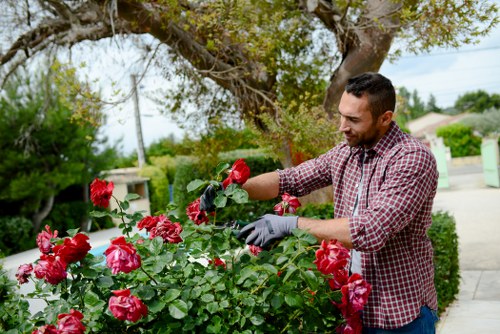
Regular hedge cutting helps keep a garden legible. A hedge that is allowed to sprawl can make borders look crowded, reduce usable light and create an uneven line that becomes harder to manage later. By contrast, a hedge trimmed with a steady hand keeps its form, works better as a boundary and supports a cleaner overall layout. That is true whether the hedge is purely decorative or serving a practical role in privacy, screening or separation.
For some properties, the hedge is one of the most visible features from the street, so the quality of the trim has a strong effect on the whole frontage. For others, the hedge matters most because it frames a rear garden, defines a seating area or marks the edge between plots. In each case, a careful cut can make the space feel more ordered without making it look bare or over-managed. If you also want to understand how we handle standards around work practices, insurance and safety and health and safety policy are available as supporting pages.
Requesting a quotation for hedge trimming
When you are ready to get a quote, the most useful information is usually the hedge type, approximate length and height, whether you want shaping or reduction, and whether there are any access issues. If the hedge runs along a boundary, it is also helpful to mention whether both sides are available for trimming or whether work is needed from one side only. A short description keeps the process efficient and helps us understand the scope before we discuss the next step.
We keep the enquiry process straightforward because hedge work is often best judged from a few practical details. A rough idea of the current condition, plus any preference for tidy maintenance or more noticeable reshaping, is usually enough to begin. If you are comparing service information, our about us page gives a general company overview, and this final note is the best place to ask for your quotation when you are ready to move ahead.