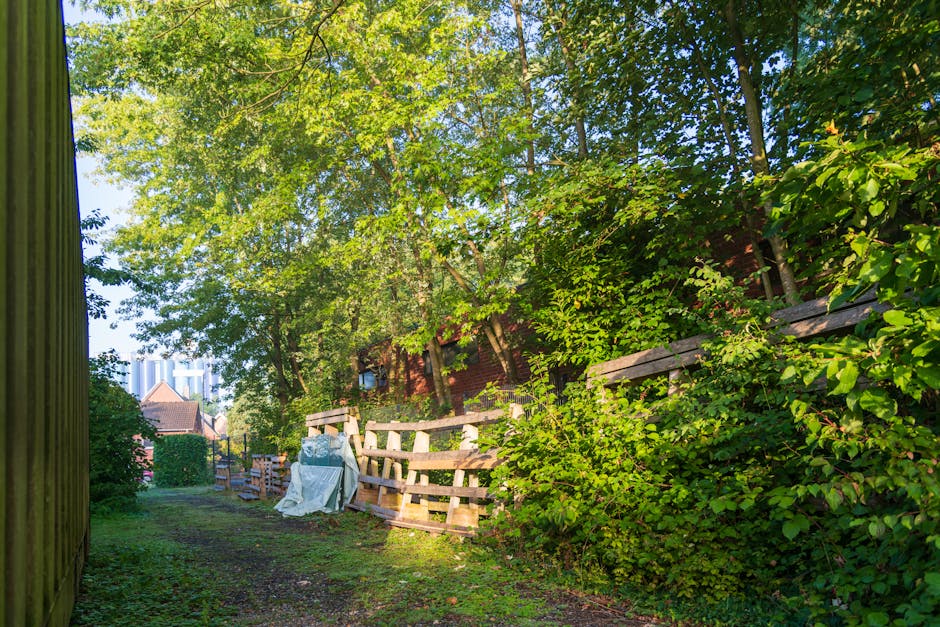
Colindale station property gardeners after tenancy cleanups NW9: a practical guide for landlords, tenants and agents
When a tenancy ends, the property can look fine inside and still feel unfinished outside. A patchy lawn, tired borders, weeds along the fence line, or a garden that has simply been ignored for a few months can make the whole place feel neglected. That is where Colindale station property gardeners after tenancy cleanups NW9 become genuinely useful. They help restore outdoor spaces so the property feels ready for viewings, new tenants, inspections, or handover without that last-minute scramble.
In an area like Colindale, where homes often need to be turned around quickly between occupancies, a tidy garden is not just a nice extra. It affects first impressions, maintenance costs, and how smoothly the next stage of the rental process goes. This guide explains what post-tenancy garden cleanup involves, how it works, what to expect, and how to choose the right service without wasting time or money. Let's face it, outdoor areas are often the bit people leave until the end - and then they become the bit everyone notices first.
Along the way, you'll also find practical tips, a comparison table, a checklist, and answers to common questions. If you need related property cleaning support too, you may also find the broader end of tenancy cleaning service useful, especially when the garden and interior need to be dealt with in the same week.
Table of Contents
- Why Colindale station property gardeners after tenancy cleanups NW9 Matters
- How Colindale station property gardeners after tenancy cleanups NW9 Works
- Key Benefits and Practical Advantages
- Who This Is For and When It Makes Sense
- Step-by-Step Guidance
- Expert Tips for Better Results
- Common Mistakes to Avoid
- Tools, Resources and Recommendations
- Law, Compliance, Standards, or Best Practice
- Options, Methods, or Comparison Table
- Case Study or Real-World Example
- Practical Checklist
- Conclusion
- Frequently Asked Questions
Why Colindale station property gardeners after tenancy cleanups NW9 Matters
A tenancy ending is already busy enough. There are keys to return, inventories to check, deposits to think about, and maybe a final cleaner booked in. The garden can easily slip into the "we'll sort that later" category. But later often means weeds have spread, the grass has become long and uneven, and the patio has collected moss, leaves, or even broken pot fragments from a forgotten corner.
For landlords and letting agents near Colindale station, the outdoor space is part of the property's overall presentation. A neat garden can support quicker re-letting, improve photography, and reduce the chance of avoidable complaints at check-in. Tenants also benefit, because a clear, fair cleanup at the end of the tenancy helps avoid disputes over garden condition.
There is also a practical point that gets missed. Outdoor neglect can create maintenance issues, not just cosmetic ones. Overgrown plants can block drains, trap moisture against walls, or make access awkward for gardeners, inspectors, and maintenance staff. In a London setting, where space can be tight and boundaries are often shared, that kind of overspill can become annoying very quickly.
Expert summary: Post-tenancy garden cleanup is not only about "tidying up." It is about resetting the outdoor area so the property is safe, presentable, and ready for the next stage without extra delay.
If you want a broader moving-out reset, many people combine garden work with other end-of-tenancy support such as deep cleaning services or rubbish removal. That combination often saves time and avoids the messy half-finished look that can happen when jobs are split across different days.
How Colindale station property gardeners after tenancy cleanups NW9 Works
In simple terms, this type of service is a targeted garden reset carried out after a tenancy ends. It usually focuses on visible improvement, clearance, and basic restoration rather than redesigning the garden from scratch. Think tidy, manageable, and property-ready.
A typical visit starts with an assessment of what needs doing. That might be mowing, hedge trimming, weed removal, leaf clearing, border tidying, patio sweeping, or green waste collection. In some cases, the job also includes light pressure washing, though that depends on the surface and the provider's equipment. To be fair, not every garden needs every service; a good gardener will prioritise what actually changes the appearance and usability of the space.
For rental properties, the work is usually shaped by three things:
- The inventory condition at move-out - what was there before, and what has changed.
- The season and current growth - a summer garden can look wildly different from a winter one.
- The next property use - immediate re-let, sale, inspection, or maintenance access.
A decent service should also consider access. Some Colindale properties have narrow side passages, small rear gardens, or shared access routes. That changes how waste is moved, how equipment is carried, and how long the job takes. It sounds obvious, but in real life these little access details make a big difference.
Sometimes the work is bundled with a more general property reset. If the garden is being cleared after a long tenancy, there may be mouldy plant pots, broken outdoor furniture, or old tenant items to remove as well. In those cases, a combined approach with commercial cleaning support or a more targeted property cleaning service can keep the whole turnaround moving.
Key Benefits and Practical Advantages
There are obvious benefits, and then there are the ones people only realise later.
1. Better first impressions
Whether it is a viewing, inspection, or handover, a well-kept garden makes the whole property feel more looked after. Even a small courtyard can look miles better once weeds are removed and the edges are cleared. Funny how that works, really.
2. Faster re-letting
In a busy rental market, time matters. A garden that already looks under control lets agents market the property sooner, often with better photos. That can reduce empty time between tenancies.
3. Less stress at checkout
Garden condition is a common point of friction if it has not been managed during the tenancy. A proper cleanup can help make the handover smoother and less emotional. Nobody enjoys a conversation that starts with, "About the lawn..."
4. Reduced maintenance risk
Overgrowth can hide problems. Once the garden is cleared, it is easier to spot broken fencing, blocked drains, damaged paving, or areas needing repair.
5. Better value for landlords and agents
It is often more economical to fix issues early than to let them build up. A simple seasonal cleanup can stop a small job becoming a bigger one later.
6. A calmer move-out for tenants
Tenants also benefit from knowing exactly what condition is expected. Clear expectations mean fewer misunderstandings and less back-and-forth after keys are returned.
And there is a practical bonus: a clean outdoor area makes the inside feel cleaner too. Strange but true. A messy garden outside the kitchen window can drag the whole mood down. Once it is sorted, the place suddenly feels lighter.
Who This Is For and When It Makes Sense
This service is useful for a fairly wide group, but the reasons vary depending on your role.
Landlords
If you want the property to be ready for the next tenant without a long gap, a garden cleanup is often one of the easiest wins. It is especially useful if the previous tenant was responsible for the outdoor space and the condition has slipped beyond a quick trim.
Letting agents
Agents often need fast, reliable turnaround work that fits around inventory visits, photos, and check-ins. A local garden team near Colindale station can be handy when timing is tight and the postcode matters more than grand promises.
Tenants moving out
If your tenancy agreement says the garden must be left tidy, booking help near the end of the term can be a sensible move. It is not just about avoiding charges. It is about leaving the property in a fair condition and keeping the exit straightforward.
Property managers and build-to-rent teams
For larger portfolios, outdoor presentation needs to be consistent. Gardens, communal edges, and access paths all affect how a property is perceived. Small issues become pattern issues if they are not handled properly.
When it makes sense to book
- After a long or busy tenancy with limited garden upkeep
- Before photography, viewings, or re-marketing
- After tenant move-out but before final inspection
- Following seasonal leaf fall, weed growth, or storm debris
- When the garden is preventing easy access for trades or cleaners
If the property needs a full exit refresh, some readers also explore after builders cleaning for hard surfaces and indoor dust, because renovation work and tenancy turnover sometimes overlap. Not every job needs that, of course, but it is worth knowing the option exists.
Step-by-Step Guidance
Here is a sensible way to approach a post-tenancy garden cleanup so the job feels organised rather than chaotic.
- Walk the garden first
Look at the whole space before touching anything. Note the obvious problems: long grass, weeds, waste, broken items, slippery paving, overgrown shrubs, or hidden debris. - Separate clearance from maintenance
Some items are cleaning tasks, others are repairs. Clearing leaves is different from fixing a loose fence panel. It sounds basic, but mixing the two can create confusion and delays. - Prioritise safety and access
Remove sharp objects, unstable pots, and trip hazards first. If you cannot safely reach a section, leave it until the right tools or ladder access are arranged. - Cut back and tidy the structure of the garden
Trim hedges, reduce overgrowth, edge borders, and restore basic shape. This is what gives the garden a "back under control" look. - Remove weeds and visible organic build-up
Weeds in paths, borders, and paving joints are one of the quickest ways a garden looks neglected. A careful hand weed often makes a dramatic difference. - Clear waste properly
Bag green waste, remove broken items, and dispose of rubbish responsibly. If the volume is larger than expected, check whether collection is included or booked separately. - Finish with a visual check
Step back and look at the space from the viewpoint of a landlord, agent, or incoming tenant. Does it look usable? Does it feel neat? That last check matters more than people think.
A short real-world example: a small NW9 rear garden might only need a lawn cut, ivy reduction, and patio sweep. But once the growth is reduced, you may also spot a drainage issue near the side return. The cleanup reveals the hidden problem. That is valuable in itself.
Expert Tips for Better Results
Good post-tenancy gardening is not about doing everything. It is about doing the right things in the right order.
Focus on the edges first. Borders, fence lines, and path edges are where neglect shows fastest. Once those are sorted, the whole garden reads as cleaner, even before the main lawn work is finished.
Use the season to guide expectations. In spring and summer, growth can return quickly. In autumn, leaf fall and damp surfaces become the main issue. Winter work often looks less dramatic, but that does not make it less important.
Don't overcut stressed grass. If the lawn has been left long for a while, cutting too much at once can scalp it. A staged approach is often kinder and leaves a better result.
Photograph the garden before and after. This helps landlords, agents, and tenants keep a clear record. It is a simple habit, but very useful if questions come up later.
Think about the next use of the space. If the property is being marketed to families, a tidy and safe garden matters a lot. If it is likely to be viewed by busy commuters near Colindale station, neatness and low-maintenance presentation often matter more than showy planting.
Ask what is included. Some gardeners include green waste removal, others charge it separately. Some will move furniture lightly; others will not touch it. Ask the boring questions. Honestly, they save the annoying surprises later.
If you need regular upkeep rather than one-off clearing, it may also help to look at routine garden maintenance so the outdoor area stays manageable between tenancy changes.
Common Mistakes to Avoid
Most mistakes with tenancy garden cleanups are avoidable. The trouble is they often happen when time is tight and everyone is trying to be helpful.
- Leaving the garden until the final day. Weather, access, and waste removal can all get in the way. An early start usually makes the whole process calmer.
- Assuming a quick mow is enough. A lawn cut alone may still leave weeds, edges, and debris untouched. The garden can still look tired.
- Forgetting hidden areas. Side returns, bin storage zones, under decking, and behind sheds often hold the worst build-up.
- Mixing repair work with cleanup without a plan. If a broken fence panel or damaged slab is discovered, set that aside as a separate job unless the provider has agreed to handle it.
- Ignoring disposal. Green waste, broken planters, and household rubbish should not be left stacked at the back of the garden. It creates a poor finish and may cause issues with handover.
- Not checking the tenancy agreement. Some contracts place specific garden responsibilities on tenants. Others are less detailed. Clarity helps everyone.
One small but common issue: people tidy the front garden and forget the rear, then wonder why the overall impression is still poor. The back matters too. Sometimes more, because that is where the real mess hides.
Tools, Resources and Recommendations
You do not need a huge toolkit to make a post-tenancy garden look respectable, but the right basics help a lot. For professional work, the equipment chosen depends on the site, surface type, and access.
| Task | Useful tools or resources | Practical note |
|---|---|---|
| Lawn tidy-up | Mower, strimmer, edging shears | Best handled with care if the grass is overgrown or wet |
| Weed removal | Hand tools, weed knife, gloves | Good for paving joints, borders, and narrow spaces |
| Leaf and debris clearing | Rake, blower, sturdy bags | Blowers are useful, but not ideal if neighbours are close and noise matters |
| Hedge and shrub shaping | Hedge trimmer, loppers, secateurs | Better for neat reduction than aggressive cutting |
| Waste handling | Heavy-duty bags, wheelbarrow, collection plan | Disposal should be clear before work begins |
| Surface clean | Broom, patio brush, suitable washer if needed | Not every surface should be pressure washed |
For the reader trying to compare providers, it is worth asking a few simple questions:
- Do you include green waste removal?
- Will you deal with access paths and side returns?
- Can you work to a fixed move-out deadline?
- Do you provide before-and-after photos if requested?
- Is the service suitable for a small rental garden or a larger shared outdoor space?
If the property needs other specialist support at the same time, you may want to review pressure washing options for patios and paths, or landlord cleaning services for a fuller rental turnover.
Law, Compliance, Standards, or Best Practice
This topic does touch on best practice and, in some cases, tenancy responsibilities. While exact obligations depend on the tenancy agreement and the facts of the property, it is sensible to approach the garden with the same care you would any other part of the move-out process.
Check the tenancy agreement first. Many agreements set expectations for gardens, lawns, hedges, and waste. The wording may be broad or specific. Either way, it is the starting point.
Keep changes proportionate. A cleanup should restore, not redesign, unless everyone has agreed otherwise. If shrubs were established during the tenancy, or if a garden feature belongs to the landlord, avoid removing it without permission.
Dispose of waste responsibly. Green waste, soil, and mixed rubbish should be handled in line with local expectations and the provider's disposal process. If in doubt, ask how waste is removed before the work starts.
Be cautious with chemicals. Weed treatment products, sealants, and cleaning agents should be used carefully and in line with product guidance. That matters more in small urban gardens where overspray or runoff could affect neighbouring areas.
Record the condition. Photos, notes, and inspection records are simple but valuable. They help distinguish fair wear from avoidable neglect. In practice, that clarity can prevent unnecessary disagreement.
There is no need to make this more dramatic than it is. Good practice is mostly about being tidy, fair, and transparent. Sensible, really.
Options, Methods, or Comparison Table
Not every garden cleanup needs the same approach. Here is a simple comparison of the most common options.
| Method | Best for | Pros | Limitations |
|---|---|---|---|
| Basic tidy-up | Lightly used gardens needing a quick refresh | Fast, cost-effective, good for minor overgrowth | Won't solve deeper neglect or waste buildup |
| Full post-tenancy cleanup | Gardens with weeds, debris, and visible neglect | Better presentation, more complete reset | Takes longer and may need disposal planning |
| Combined garden and property turnaround | Busy move-outs, re-marketing, or urgent handovers | Efficient, coordinated, less delay between jobs | Requires better scheduling and clearer scope |
| Ongoing maintenance plan | Portfolio properties or frequent tenant changes | Keeps standards consistent, reduces future catch-up work | Less useful if the garden is already heavily neglected |
For many NW9 properties near Colindale station, the best choice is a full cleanup followed by lighter ongoing maintenance. That gives you a clean reset now and fewer surprises later. Simple, but effective.
Case Study or Real-World Example
Here is a realistic example based on the kind of situation many local landlords face, without dressing it up as anything extraordinary.
A two-bedroom rental near Colindale station was handed back after a long tenancy. Inside, the flat needed normal exit cleaning, but the garden had become the bigger issue. The rear lawn was uneven, weeds had grown through the paving, and a small pile of broken outdoor bits had been left by the shed. Nothing dramatic. Just enough to make the space look tired and a bit awkward.
The cleanup started with a quick assessment. The team cleared rubbish first, then cut back the overgrowth, removed weeds from the paving joints, and tidied the borders. The lawn was brought back to a manageable length, but not hacked down too hard because it had been left a while. After that, the patio was swept and the whole garden was checked from the kitchen window view - a small detail, but it changed everything. Suddenly it looked like a garden again, not a problem.
The useful part of the job was not just the visible improvement. Once the area was cleared, a loose edging stone became obvious and could be logged for repair before the next viewing. That kind of thing happens often. Cleanups reveal what has been hiding.
Truth be told, many post-tenancy garden jobs are like that. They are not glamorous, just practical. And that is exactly why they matter.
Practical Checklist
Use this checklist before the final handover or before booking a gardening team.
- Confirm who is responsible for the garden under the tenancy agreement
- Walk the outdoor area and note all visible issues
- Check for rubbish, broken items, or forgotten tenant belongings
- Identify overgrown grass, hedges, and weeds
- Look for hidden problems near fences, sheds, bins, and side access
- Decide whether waste removal is needed
- Arrange any related cleaning or repair work
- Take before photos for record-keeping
- Confirm timing around inventory, check-out, or new tenant move-in
- Do a final visual check after the work is complete
Quick reminder: if the garden is being used as part of a full rental turnaround, do not leave it to the very end. Outdoor work can be weather-sensitive and often takes longer than people expect.
Conclusion
Colindale station property gardeners after tenancy cleanups NW9 play a small but important role in keeping rental properties presentable, marketable, and easy to hand over. A clean outdoor area helps the whole property feel sorted, which is exactly what you want at the end of a tenancy - less friction, fewer surprises, and a better first impression for whoever is coming next.
Whether you are a landlord trying to reduce void time, an agent coordinating a fast turnaround, or a tenant wanting to leave things properly behind you, the same principle applies: clear the garden, show the space at its best, and keep the process simple. That is usually the smartest route. Not flashy, just solid.
If you are planning a move-out or preparing a property for the next occupant, it can help to combine the garden reset with interior cleaning and waste removal so everything is handled in one smooth pass.
Get a free quote today and see how much you can save.
And if you can get the outside looking calm on a breezy NW9 afternoon, the whole property tends to breathe easier. That's the lovely thing about a proper reset.
Frequently Asked Questions
What does a post-tenancy garden cleanup usually include?
It normally includes lawn cutting, weed removal, border tidying, hedge trimming, leaf clearance, debris removal, and making the outdoor space look presentable for inspection or re-letting.
Is this service only for landlords?
No. Tenants, letting agents, and property managers use it too. Anyone who needs the outdoor area restored after a tenancy can benefit from it.
How is a tenancy garden cleanup different from regular garden maintenance?
Regular maintenance is ongoing and preventative. A tenancy cleanup is usually more intensive and focused on restoring the garden after it has been left for a while or after move-out.
Do I need garden cleanup before the end-of-tenancy inspection?
In many cases, yes. If the tenancy agreement expects the garden to be tidy, leaving it overdue can create avoidable issues during checkout.
Can a gardener remove garden waste as well?
Often yes, but not always as standard. It is wise to confirm whether green waste removal and disposal are included in the quote.
How long does a typical post-tenancy garden cleanup take?
That depends on the size of the garden, the amount of growth, access, and whether waste needs to be removed. A small tidy-up may be quick, while a neglected garden takes longer.
What if the garden has overgrown badly?
Then it may need a fuller clearance rather than a simple trim. A good provider should assess whether staged reduction is safer than cutting everything back at once.
Should I book garden work before or after interior cleaning?
Usually it makes sense to coordinate both around the same handover window. If the garden is very messy, you may want it cleared before final interior touches are done so dirt is not tracked back in.
Can I ask for photos after the work is done?
Yes, and many landlords or agents do. Before-and-after photos can be very useful for records and for confirming the scope has been completed.
What should I check before hiring a local gardener near Colindale station?
Check what is included, whether waste removal is covered, how they handle access and timing, and whether their service matches the actual condition of the garden rather than just offering a generic mow.
Is pressure washing always part of a garden cleanup?
No. It can help with patios and paths, but it is not always necessary or suitable for every surface. A careful provider should judge this based on the material and condition.
Can this service help reduce disputes over deposit deductions?
It can help by restoring the garden to an acceptable condition and creating a clearer record of what was done. That said, deposit outcomes still depend on the tenancy agreement and the actual condition of the property.
Do small gardens in NW9 need professional attention too?
Yes, sometimes even more so. Small spaces can look cluttered quickly, and a bit of overgrowth or debris has a stronger visual impact in a compact garden.
What is the best time of year for a tenancy garden cleanup?
There is no single best time, because it depends on the tenancy end date and the current condition. Spring and summer often show growth issues more clearly, while autumn brings leaves and damp build-up. The right time is usually when the property is being handed over.